



How to Change the Oil in Your Car (Without Ruining Your Driveway)
Posted by Emily R. on 18th Jul 2025
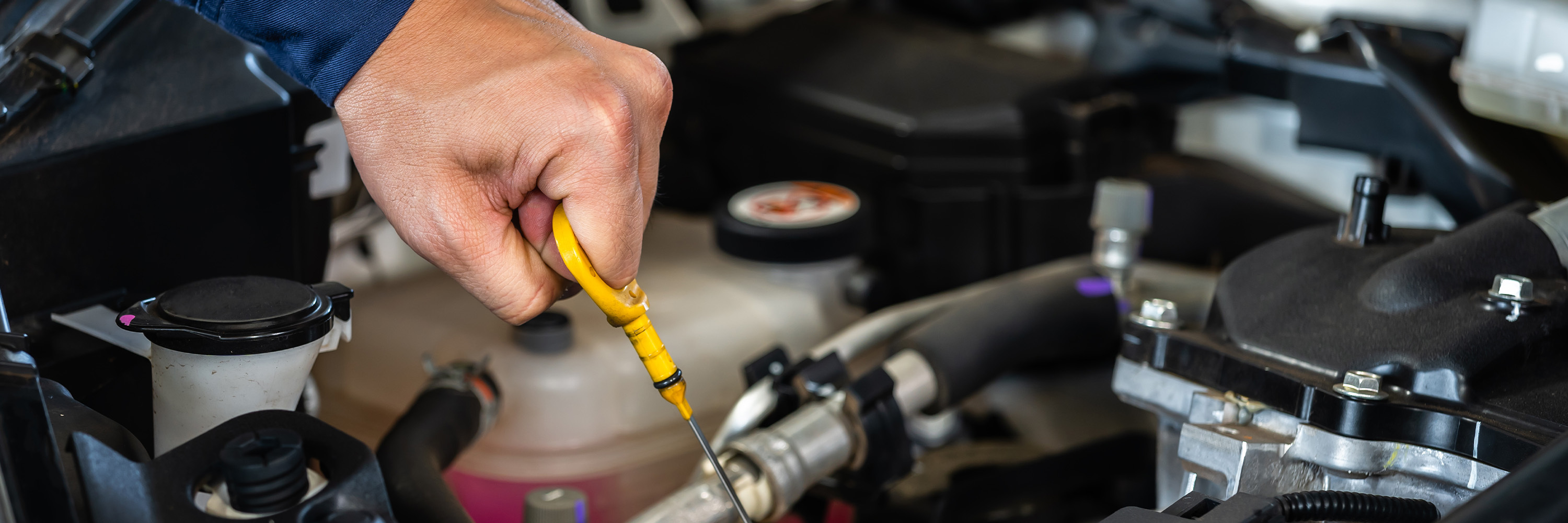
Changing your own oil is one of the most satisfying tasks a DIY mechanic can tackle. It’s not too hard, it saves you money, and you get to know your car a little better every time you do it. But doing it the right way—with the right tools—can mean the difference between a smooth job and a driveway that looks like an oil spill disaster zone.
Whether you’re new to oil changes or just want to upgrade your gear, here’s a complete guide to changing your car’s oil the smart (and clean) way.
What You’ll Need
Before you start, gather everything you need. Here are the tools that’ll make your life easier:
-
K-Tool 73730 Oil Filter Strap Wrench: For removing stubborn filters without crushing them.
-
S.U.R.&R. FC5 Filter Removal Cup: Ideal for newer vehicles with cartridge-style filters.
-
John Dow JDI-8DCP 8-Gallon Portable Oil Drain: For high-volume drains or garage pros.
-
K-Tool 74645 Oil Drain Pan (4.25-Gallon Capacity): A simple, reliable pan to catch old oil.
-
New oil (check your owner's manual for type and quantity)
-
New oil filter
-
Jack and jack stands or ramps
-
Socket wrench set
-
Gloves and safety glasses
-
Shop towels or rags
Step 1: Prep Your Space
Choose a level spot—your garage or driveway works fine. Make sure the engine is cool (or just warm) to avoid burns. Put on gloves, gather your tools, and have some rags handy just in case things get messy.
Step 2: Raise the Vehicle (If Needed)
If your vehicle doesn’t have much ground clearance, you’ll need to jack it up and support it securely with jack stands, or use ramps. Safety first—never work under a vehicle supported only by a jack.
Step 3: Drain the Old Oil
-
Slide your K-Tool 74645 Oil Drain Pan or John Dow JDI-8DCP Portable Oil Drain under the oil drain plug.
The John Dow is great for larger vehicles or frequent oil changers—it rolls easily and holds up to 8 gallons. -
Use a socket wrench to loosen the drain plug. Be ready—hot oil will start flowing fast.
-
Let the oil completely drain (this might take a few minutes).
Step 4: Remove the Old Oil Filter
Now the messy part. Oil filters are notorious for getting stuck, so don’t go at it barehanded.
-
If your car has a standard canister-style filter, grab the K-Tool 73730 Strap Wrench. It’s built to handle up to 6" diameters and grips tightly with its gasoline-resistant nylon strap. Attach it to a 1/2" drive or use a 3/4" wrench.
-
For vehicles with cartridge filters or tight spaces, the S.U.R.&R. FC5 Filter Cup is a lifesaver. Just fit it over the filter and twist.
Be sure to check that the old filter’s rubber gasket didn’t stick to the engine. If it did, remove it before installing the new one.
Step 5: Install the New Filter
-
Apply a light coating of new oil to the rubber gasket on the new filter. This helps it seal better and makes it easier to remove next time.
-
Hand-tighten the new filter. Don’t overdo it—just snug is fine unless your filter’s instructions say otherwise.
Step 6: Replace the Drain Plug
Once the oil has drained completely, reinstall the drain plug and tighten it to the proper torque spec (usually listed in your vehicle’s manual). Don’t overtighten—it’s easy to strip threads in the oil pan.
Step 7: Add New Oil
-
Remove the oil fill cap on top of the engine.
-
Insert a funnel and pour in the new oil slowly. Check your manual for the correct amount—overfilling can cause issues just as much as underfilling.
-
Once filled, replace the oil cap.
Step 8: Check for Leaks
Start your engine and let it run for about 30 seconds. Turn it off and wait a few minutes. Then:
-
Check under the vehicle for leaks.
-
Check the oil level with the dipstick and add more if needed.
Dispose of the old oil and filter at your local auto parts store or recycling center.
Final Thoughts
Changing your oil isn’t just good for your car—it’s good for your wallet and your confidence as a DIY mechanic. And with the right tools, it becomes a cleaner, faster, and more satisfying job.
Let’s recap the stars of the show:
-
K-Tool 73730 Strap Wrench – Grabs even the most stubborn filters.
-
S.U.R.&R. FC5 Cup – Precision removal without damage.
-
John Dow JDI-8DCP Oil Drain – Ideal for larger drains or busy garages.
-
K-Tool 74645 Oil Pan – Simple, affordable, and effective for most vehicles.
Want to gear up for your next oil change? Shop the tools mentioned above at JB Tools and get the job done right the first time.