


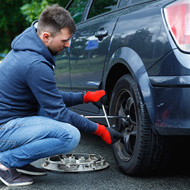
How to Maintain Car Tires Properly
Posted by Emily R. on 24th Sep 2025

Your car tires are the only point of contact between your vehicle and the road, which makes keeping them in top condition one of the most important parts of vehicle maintenance. Proper tire care not only improves safety and fuel efficiency but also helps you save money by extending the life of your tires. With the right tools and a few simple habits, you can keep your tires rolling smoothly for miles to come. JB Tools has everything you need to tackle DIY tire maintenance and make sure your tires stay road-ready.
Why Tire Maintenance Matters
Tires endure a lot—heat, friction, potholes, curbs, and debris. If neglected, they wear unevenly, lose traction, or fail at the worst possible moment. Proper upkeep improves:
-
Safety: Worn or improperly inflated tires are more likely to blow out or skid.
-
Fuel Efficiency: Properly inflated tires reduce rolling resistance and save gas.
-
Longevity: Rotations, alignments, and care extend the life of your tires.
-
Performance: Healthy tires improve steering response and braking distance.
Essential Tools for DIY Tire Maintenance
To maintain your tires at home, you’ll want the right set of tools. Fortunately, JB Tools stocks everything you need. Here are the must-haves:
-
Tire Pressure Gauge: Digital or analog, this tool ensures your tires are inflated to the manufacturer’s recommended PSI.
-
Air Compressor: Portable compressors are perfect for topping off air at home or on the road.
-
Tire Inflator with Gauge: Combines inflation and measurement in one tool.
-
Torque Wrench: Critical for tightening lug nuts to the correct specification when rotating tires.
-
Jack and Jack Stands: Safe lifting equipment for removing and rotating tires.
-
Tire Tread Depth Gauge: A simple device to measure tread wear and catch problems early.
-
Wheel Chocks: Safety blocks to keep the vehicle secure while you work.
-
Breaker Bar: Provides extra leverage for loosening stubborn lug nuts.
-
Tire Plug Kit: A must-have for fixing small punctures without replacing the tire immediately.
Tips for Extending the Life of Your Tires
1. Check Tire Pressure Regularly
Underinflated tires flex more, overheat faster, and wear unevenly. Overinflated tires wear out the center tread too quickly. Check your tire pressure at least once a month and before long trips. Always use the PSI recommended on your vehicle’s door jamb sticker, not the number on the tire sidewall.
2. Inspect for Damage
Look for cracks, bulges, nails, or cuts in the tread and sidewalls. Even small issues can lead to big problems if ignored. Keep a tire plug kit handy for temporary repairs.
3. Measure Tread Depth
A tread depth gauge or even the “penny test” can tell you when your tires are too worn. Anything below 2/32 of an inch is unsafe. Some experts recommend replacing them at 4/32 for better wet-weather traction.
4. Rotate Tires Consistently
Most vehicles need tire rotation every 5,000 to 7,000 miles. This promotes even wear and maximizes the lifespan of your tires. Your torque wrench and jack stands make this a safe and doable job at home.
5. Get Wheel Alignments
If your car pulls to one side or you notice uneven wear patterns, your wheels may be out of alignment. While alignments often require professional equipment, catching the problem early saves you money in the long run.
6. Balance Your Tires
Unbalanced tires cause vibrations, uneven wear, and poor handling. Balancing is usually a shop job, but it’s important to schedule it when you feel vibration through the steering wheel.
7. Avoid Overloading
Carrying more weight than your tires are rated for creates excessive heat and stress. Check your vehicle’s load rating and respect it.
8. Drive Smart
Aggressive driving—hard braking, fast cornering, quick acceleration—chews up tires. Smooth driving helps preserve tread life and fuel economy.
Seasonal Tire Care
Summer Heat
Hot pavement increases tire pressure and wear. Check your pressure more frequently during heat waves and avoid driving on underinflated tires.
Winter Cold
Cold weather drops tire pressure quickly. For those using winter tires, swap them out before temperatures consistently dip below 45°F. Store unused tires in a cool, dry place away from sunlight.
Rain and Wet Roads
Ensure adequate tread depth to prevent hydroplaning. Rotate your tires on schedule for maximum water channeling and grip.
DIY Tire Maintenance Routine
Here’s a simple monthly routine you can follow with JB Tools products:
-
Check Pressure: Use a digital tire pressure gauge and top off with a portable compressor.
-
Inspect Condition: Look over each tire for punctures, cracks, or bulges.
-
Measure Tread: Use a tread depth gauge to confirm safe levels.
-
Clean Tires: Remove stones or debris stuck in the tread.
-
Check Torque: Ensure lug nuts are still tightened properly.
Every 6 months or 6,000 miles, add tire rotation into your routine.
When to Replace Tires
Even with the best care, tires eventually wear out. Replace them when:
-
Tread depth is below 2/32 inch.
-
Tires are more than six years old (check the DOT date on the sidewall).
-
You see sidewall cracks, bulges, or uneven wear.
-
Your vehicle vibrates or handles poorly despite alignment and balancing.
Final Thoughts
Car tires are a big investment, but taking care of them pays off in safety, performance, and savings. With the right tools from JB Tools, you can easily handle much of the maintenance yourself. From tire pressure gauges and inflators to torque wrenches and jack stands, JB Tools has the best gear to keep your tires spinning smoothly.
Make tire care a habit, and your vehicle—and your wallet—will thank you.