


How to Troubleshoot Common Car Problems Using Basic Tools
Posted by Emily R. on 28th Jul 2025
Car problems can happen to anyone, and they often come without warning. While some issues require professional attention, others can be diagnosed at home with a few simple tools. Knowing how to troubleshoot common car problems using basic tools can help you understand what's going on and decide on the next steps without rushing to a repair shop.
This guide covers several of the most common problems drivers face and how to approach them in a safe, straightforward way.
1. Engine Won’t Start
A car that won’t start is one of the most common and inconvenient issues.
What to Check:
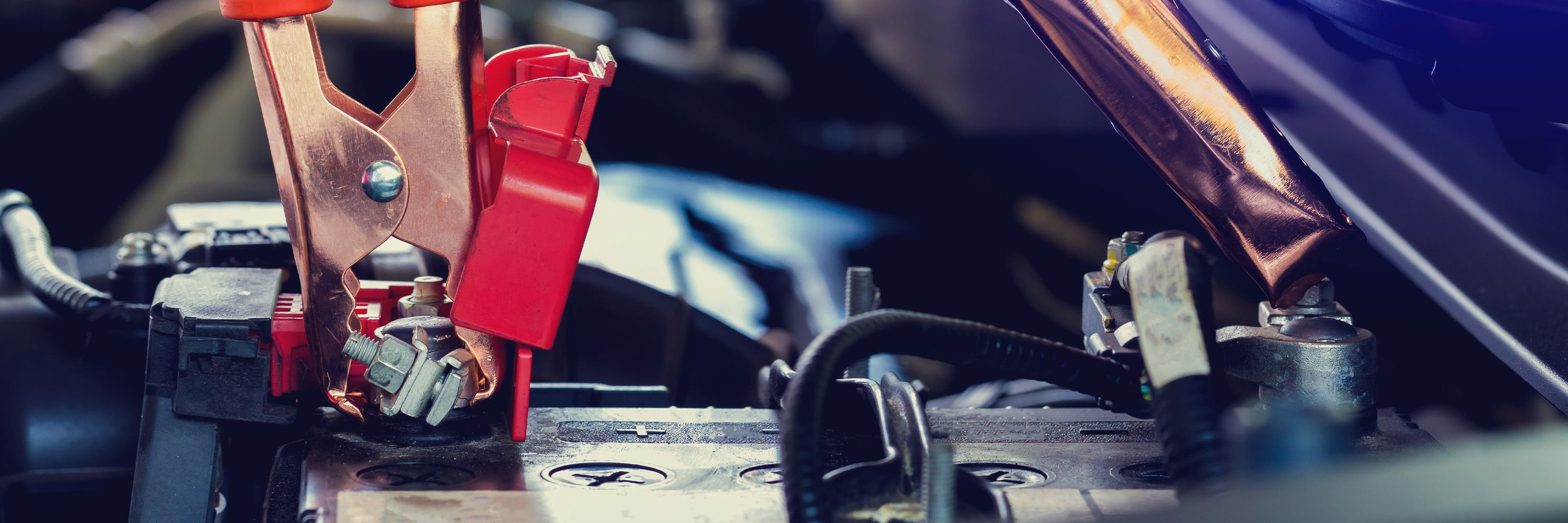
- Battery: The battery is often the first thing to inspect. Using a multimeter, check for voltage. A fully charged battery should read about 12.6 volts. If it's below 12.4, it may be weak.
- Battery Connections: Inspect the battery terminals for corrosion or loose cables. A wire brush can be used to clean off buildup.
- Starter or Ignition: If the battery is good but the engine still won’t start, listen for a clicking noise. A single loud click could point to a starter issue, while no sound at all could be related to the ignition switch.
Tools You May Need:
When to Get Help:
If the battery is fine and there’s still no response when turning the key, it could be a more complex issue. A mechanic can test the starter, ignition, or other electrical components.
2. Battery Keeps Dying
A battery that dies repeatedly, even after being recharged, may have an underlying cause.
What to Check:
- Parasitic Drain: Some systems in your car may be drawing power even when the car is turned off. You can use a multimeter to measure the draw on the battery. Anything significantly over 50 milliamps could be a sign of trouble.
- Lights or Accessories Left On: Check if any interior lights or aftermarket accessories are staying on.
Tools You May Need:
- Multimeter
- Socket wrench to safely disconnect the battery
When to Get Help:
If the source of the drain isn’t clear, a professional can perform a more detailed diagnosis using advanced electrical testing tools.
3. Brakes Are Squealing
Brake noise is common and can indicate wear or minor mechanical issues.
What to Check:
- Brake Pads: Worn pads are a frequent cause of squealing. If the pads are less than ¼ inch thick, they need replacement.
- Debris: Small stones or dirt between the brake pad and rotor can also cause noise.
- Rotors: Check for grooves or scoring, which can contribute to uneven braking and noise.
Tools You May Need:
When to Get Help:
If the pads look fine but the noise persists, or if the brake pedal feels soft, it's important to see a professional. Brake systems are critical for safety.
4. Engine Overheating
Overheating can lead to serious engine damage if not addressed quickly.
What to Check:
- Coolant Level: After letting the engine cool completely, check the coolant reservoir. Low coolant is a common reason for overheating.
- Hoses: Inspect hoses for cracks, leaks, or loose connections.
- Radiator Cap: A faulty cap can affect pressure and lead to overheating.
Tools You May Need:
- Gloves and a clean cloth
- Flashlight
- Pliers for hose clamps
When to Get Help:
If coolant levels are normal and the car is still overheating, it may be a problem with the thermostat, water pump, or radiator. These require professional inspection.
How to Inspect Your Vehicle Safely
Safety should be your first priority when working on your car:
- Turn off the engine and remove the key.
- Let the engine cool before opening the hood.
- Use jack stands if you lift the vehicle.
- Wear gloves and eye protection when dealing with fluids or electrical parts.
When to Fix It Yourself and When to Call a Mechanic
You can handle many basic inspections and small fixes at home. DIY car troubleshooting for beginners is appropriate when:
- You’re checking fluid levels, battery voltage, or brake pad thickness.
- You have access to basic tools and safety equipment.
- The problem is minor and clearly identifiable.
Call a mechanic when:
- The issue affects critical systems like steering, brakes, or electronics.
- You’ve done basic checks and still can’t identify the problem.
- Specialized tools or parts are needed for the repair.
Troubleshooting
Learning how to troubleshoot common car problems using basic tools is a practical skill that helps you take better care of your vehicle. While not every problem can be fixed at home, understanding what to check and how to use basic tools gives you more control over your vehicle's condition. It also helps you communicate clearly if you do need to bring your car to a repair shop.
Taking a step-by-step approach to inspecting issues like a dead battery, overheating engine, or squealing brakes can help you stay informed and avoid unnecessary repairs.