



Preventative Car Maintenance Checklist: What You Can Actually Do Yourself
Posted by Emily R. on 4th Sep 2025
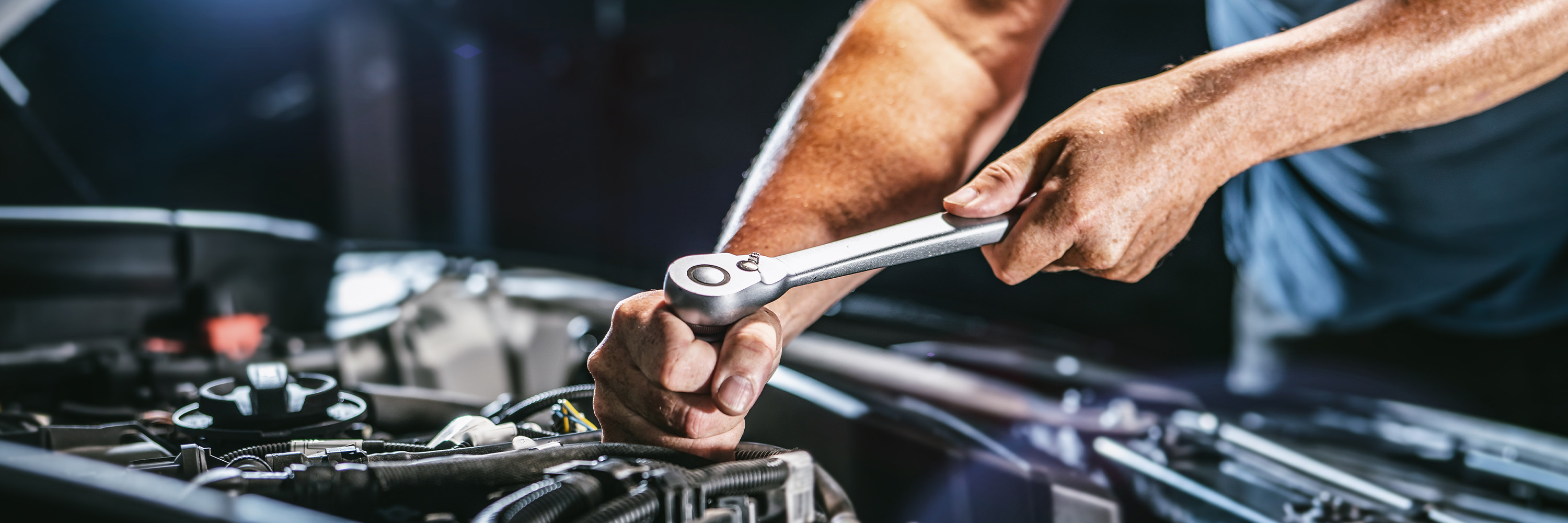
Regular vehicle maintenance helps your car run smoothly, increases its safety, improves fuel economy, and protects its resale value. Many essential tasks don’t require a professional mechanic and can be done at home with a little time and attention. This guide breaks down a preventative car maintenance checklist you can follow on a monthly, quarterly, and yearly basis. It also explains which tasks are realistically DIY, which ones should be done by a shop, and what signs of wear you should look out for along the way.
Monthly Maintenance Tasks
Once a month, it’s a good idea to check your tire pressure and tread depth. Underinflated tires can affect handling and fuel efficiency, while worn tread can reduce traction, especially in wet conditions. Use a simple tire pressure gauge to compare your current pressure with your vehicle’s recommended PSI, usually found on a sticker inside the driver’s door. You can check tread depth using a tread gauge or even a penny.
It’s also important to check all your fluid levels, including engine oil, coolant, brake fluid, and windshield washer fluid. Most of these can be inspected visually using dipsticks or transparent reservoirs. Watch for any fluids that are low, look dirty, or have an unusual color or texture. While topping off or checking these fluids is easy to do yourself, a sudden drop in level or fluid contamination might require help from a mechanic. Learning how to check car fluids yourself can help you spot problems early and avoid damage to your vehicle.
Finally, take a look underneath your car and around the engine bay for signs of leaks. You might notice puddles, stains, or unusual smells like burning oil or sweet coolant. If you do, it’s best to have a shop check for problems. While you can inspect for leaks at home, fixing them typically requires professional tools and expertise.
Quarterly Maintenance Tasks
Every few months, or roughly every 3,000 to 5,000 miles, your vehicle needs a deeper look. One of the most important tasks is the oil change. Clean oil is essential for keeping your engine lubricated and free of buildup. Many people choose to do this themselves using basic tools, an oil drain pan, and a replacement filter. However, if you’re not comfortable with the process, it’s perfectly reasonable to have it done at a service shop. Either way, knowing how to do an oil change at home can save you time and money over the life of your car.
It’s also helpful to check your battery during this time. You can use a multimeter to measure the voltage and check for corrosion around the terminals. Cleaning corrosion with a mixture of baking soda and water is a simple job. If the battery isn’t holding a charge, or you see swelling or damage, replacement may be necessary, which you can either do yourself or have done at a shop.
Another area to check is the condition of your belts and hoses. These parts play a key role in engine function and cooling. Open the hood and look for cracks, fraying, or soft spots. If you notice anything that looks worn, have a professional take a closer look. While inspection is simple, replacing belts and hoses is usually a shop-level repair.
Yearly Maintenance Tasks
Once or twice a year, it’s time to handle some of the less frequent—but still essential—car maintenance jobs. Replacing your engine air filter is one of the easiest tasks you can do yourself. Most filters are located in a plastic box under the hood and take just a few minutes to swap out. A clean air filter helps your engine breathe better and can lead to better gas mileage. Knowing how to change an engine air filter can be useful, especially if you drive in dusty areas or do a lot of city driving.
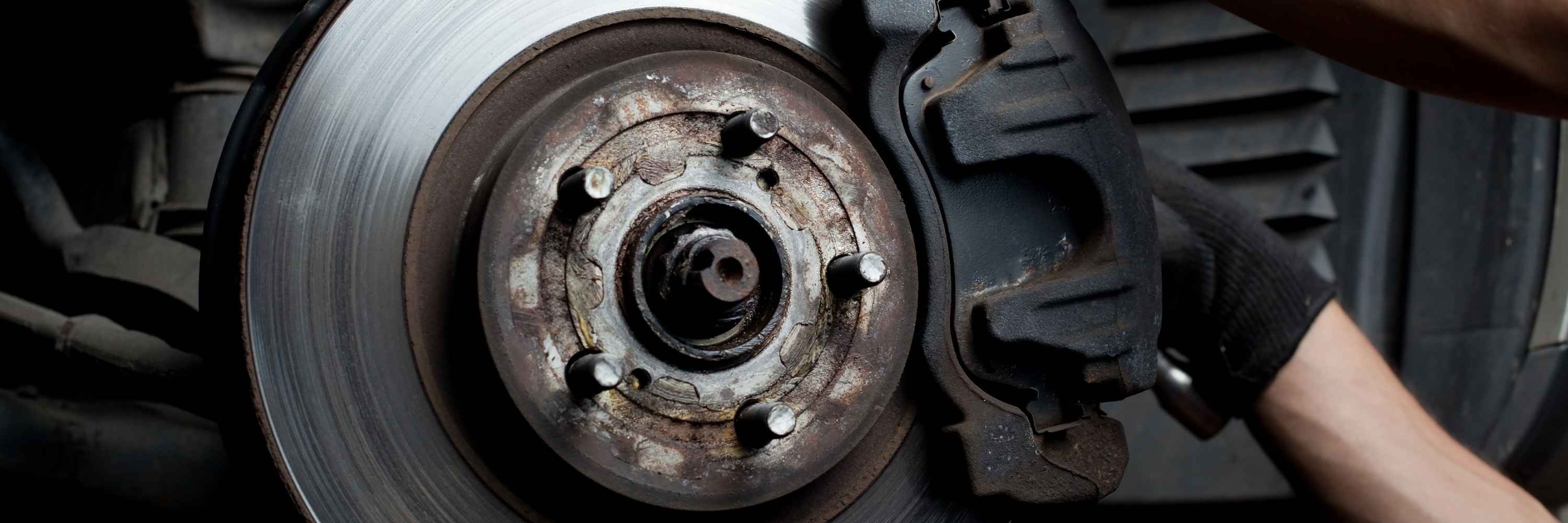
Tire rotation is also important to ensure even wear and extend the life of your tires. If you have a jack and know how to safely lift your car, this can be done at home. However, wheel alignment—which affects how your car handles and how evenly your tires wear—requires specialized equipment and should be done at a repair shop.
Finally, brake fluid and coolant should be flushed periodically to keep systems working properly. These fluids degrade over time and can affect braking performance or lead to overheating. Flushing these systems is more complex and usually not recommended as a DIY project unless you have the right tools and experience.
Signs of Wear to Look For
As you go through these routine tasks, it's important to stay alert to signs of wear and potential issues. Noises like squealing or grinding when you brake may mean your pads are worn down. If your steering feels loose, pulls to one side, or vibrates, it could be a sign of suspension or tire problems. A check engine light that comes on should never be ignored—it can indicate anything from a loose gas cap to engine trouble. Dim headlights may point to a weak battery or alternator issue. Lastly, if you notice that your car is using more fuel than usual, it might be time to check for dirty filters, underinflated tires, or worn spark plugs. Being aware of these warning signs of car problems can help you address them before they become expensive repairs.
Why Routine Maintenance Matters
Sticking to a consistent maintenance schedule offers several long-term benefits. First and most importantly, it helps improve vehicle safety. Functional brakes, properly inflated tires, and clear visibility are all basic but essential for preventing accidents. Second, regular care improves fuel efficiency. A well-maintained car uses less fuel, which lowers your running costs. Tasks like oil changes, clean air filters, and tire pressure checks all contribute to better mileage. Understanding how to improve fuel economy with car maintenance can make a real difference over time.
Finally, routine care protects your car’s resale value. When it comes time to sell or trade in your vehicle, a history of regular maintenance is a strong selling point. Buyers are more confident in cars that have been well taken care of, and that can translate into a higher price. This makes it worth your time to invest in basic upkeep.
Preventative Car Maintence
Preventative car maintenance doesn’t have to be overwhelming. Many important tasks—like checking tire pressure, replacing air filters, and changing oil—are manageable at home with a little practice. Others, like alignments or fluid flushes, are best handled by professionals. What matters most is staying consistent. A simple routine of monthly, quarterly, and yearly maintenance can go a long way in making your vehicle safer, more efficient, and more reliable for the long haul.