



Symptoms of Dirty Air Filter
Posted by Emily R. on 28th May 2025
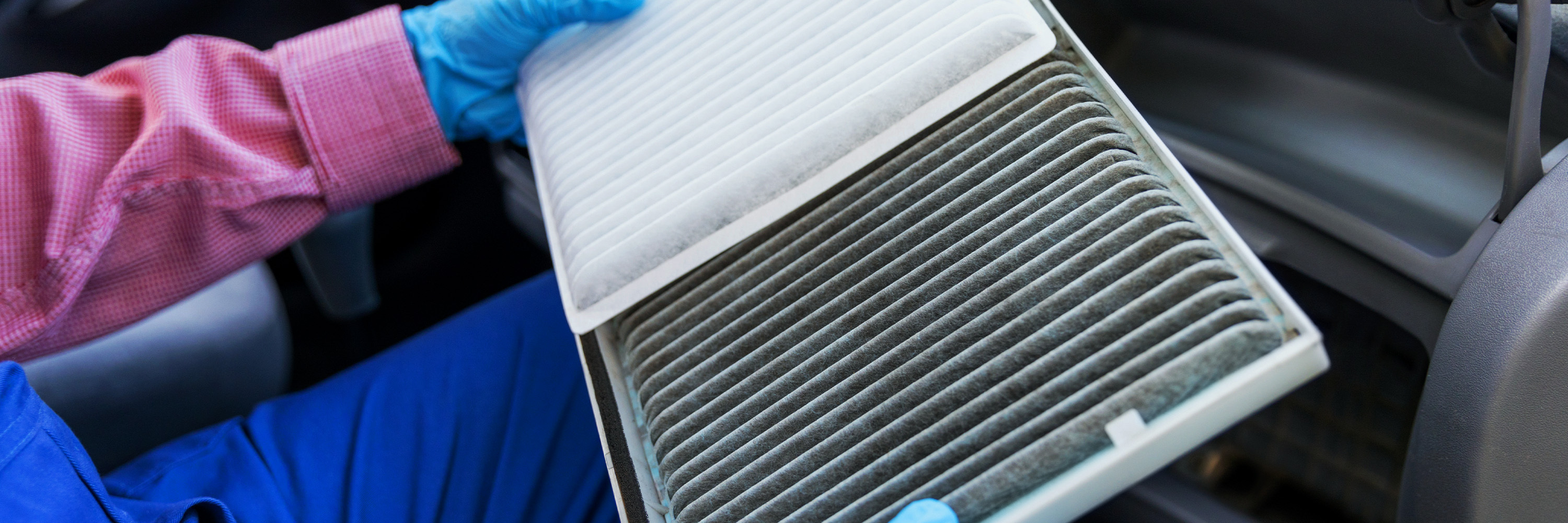
Your vehicle’s air filter plays a crucial role in maintaining engine efficiency and overall performance. Over time, it can accumulate dirt, dust, and debris, leading to a clogged air filter that restricts airflow. Ignoring this issue can cause various engine and fuel-related problems, making regular filter maintenance essential.
Recognizing the clogged air filter symptoms early can help prevent costly repairs and poor driving experiences. Reduced acceleration, unusual engine noises, and a noticeable drop in fuel efficiency are just a few warning signs. If left unchecked, these issues can worsen, affecting both your vehicle's power and fuel consumption.
The symptoms of dirty air filters go beyond just performance loss; they can lead to serious car air filter problems. Understanding these symptoms will help you take action before they impact your vehicle’s longevity and efficiency.
Let’s learn about these symptoms in this blog!
Common Symptoms of a Dirty Air Filter
A clogged air filter can go unnoticed for a long time, but its impact on performance and efficiency is significant. In your car, restricted airflow can lead to costly repairs and discomfort.
Here are the key symptoms of a dirty air filter you should watch out for:
1. Reduced Airflow
One of the first signs of a clogged air filter is weak airflow from vents or the engine intake. Whether it’s your vehicle struggling to get enough oxygen for combustion or your HVAC system pushing out minimal air, restricted airflow reduces overall efficiency. This can lead to overheating, poor engine performance, or ineffective cooling and heating indoors.
2. Decreased Fuel Efficiency
A dirty air filter forces your engine to work harder, burning more fuel than necessary. Since the combustion process relies on a proper air-to-fuel ratio, a restricted air supply leads to incomplete burning, causing increased fuel consumption. If you notice a drop in miles per gallon, a clogged air filter might be the culprit.
3. Unusual Engine Sounds
A healthy engine runs smoothly, but a dirty filter can disrupt airflow, leading to coughing, spluttering, or rough idling. When an engine struggles to get clean air, it compensates by working harder, which may cause it to make odd noises. If you hear excessive vibrations or choking sounds, checking your air filter should be a priority.
4. Check Engine Light On
Restricted airflow can trigger the check engine light as the vehicle’s sensors detect an imbalance in the fuel mixture. If you see this warning and experience other clogged air filter symptoms, it's essential to inspect and replace the filter promptly. Ignoring it could lead to further engine complications.
5. Poor Acceleration or Performance
A dirty air filter directly impacts your engine’s ability to breathe, leading to sluggish acceleration. If your car feels slow when you press the gas pedal, it might be due to restricted airflow. This issue can reduce power output, making it harder for your vehicle to respond quickly when needed.
6. Black Smoke or Soot from Exhaust
One of the serious effects of dirty air filter in car is an improper fuel-air mixture, which can result in black smoke or soot coming from the exhaust. When fuel doesn’t burn completely, it creates carbon deposits that exit through the exhaust system, signaling a problem with air intake. This issue not only harms engine efficiency but also increases harmful emissions.
7. Foul or Musty Odor
Over time, trapped dirt, mold, and bacteria in a clogged air filter can cause unpleasant odors. Whether it’s a musty smell in your car, it’s a clear sign that the filter needs cleaning or replacement. A fresh air filter ensures better airflow and eliminates trapped contaminants that cause bad smells.
Consequences of Ignoring a Dirty Air Filter
Neglecting a clogged air filter can lead to serious issues affecting your vehicle, and health. Here are the key consequences of not replacing your air filter on time:
1. Engine Damage and Costly Repairs
Restricted airflow forces the engine to work harder, leading to poor combustion and potential damage to critical components. Ignoring clogged air filter symptoms can result in expensive repairs or engine failure.
2. Reduced Fuel Efficiency
A dirty air filter disrupts the air-to-fuel ratio, causing the engine to burn more fuel than necessary. This leads to lower miles per gallon, increased fuel expenses, and reduced overall efficiency.
3. Poor Engine Performance
When an engine struggles to get clean air, acceleration weakens, power output drops, and the vehicle feels sluggish. Replacing the air filter ensures smoother performance and a more responsive drive.
When to Change Your Air Filter?
Replacing your air filter at the right time is crucial for maintaining engine efficiency and longevity. A clogged air filter can lead to poor performance, increased fuel consumption, and long-term engine damage. Knowing when to replace it helps prevent these issues.
Recommended Replacement Intervals
Most manufacturers recommend changing a car’s air filter every 12,000 to 15,000 miles or at least once a year. However, it’s always best to check your owner’s manual for specific guidelines. If you drive in extreme conditions, more frequent replacements may be necessary.
Factors That Require More Frequent Changes
Certain conditions can cause your air filter to get dirty faster, including:
-
Driving in Dusty or Polluted Areas – Roads with high dust, dirt, or pollution can clog the filter more quickly.
-
Frequent Stop-and-Go Traffic – City driving exposes the engine to more contaminants than highway driving.
-
Off-Road Driving – Rough terrains kick up more dust, requiring more frequent air filter checks.
-
Seasonal Changes – Pollen-heavy seasons can clog filters faster, especially in spring and summer.
Regularly inspecting and replacing your dirty air filter ensures smooth airflow, better fuel efficiency, and optimal engine performance. If you notice clogged air filter symptoms like reduced acceleration or black exhaust smoke, it’s time for a replacement.
Keep Your Air Filter Clean for Better Performance and Efficiency
A clogged air filter may seem like a minor issue, but its impact on performance, efficiency, and overall health is significant. From clogged air filter symptoms like reduced airflow and poor acceleration to long-term consequences such as engine damage, neglecting this simple component can lead to costly problems.
Regularly checking and replacing your air filter ensures better fuel efficiency, smoother performance, and improved air quality. Don’t wait until the signs become severe addressing car air filter problems early can save you money and trouble in the long run. Prioritize filter maintenance and enjoy a healthier, more efficient system for years to come!