



3 Signs it's Time for an Oil Pressure Sensor Replacement
18th May 2026
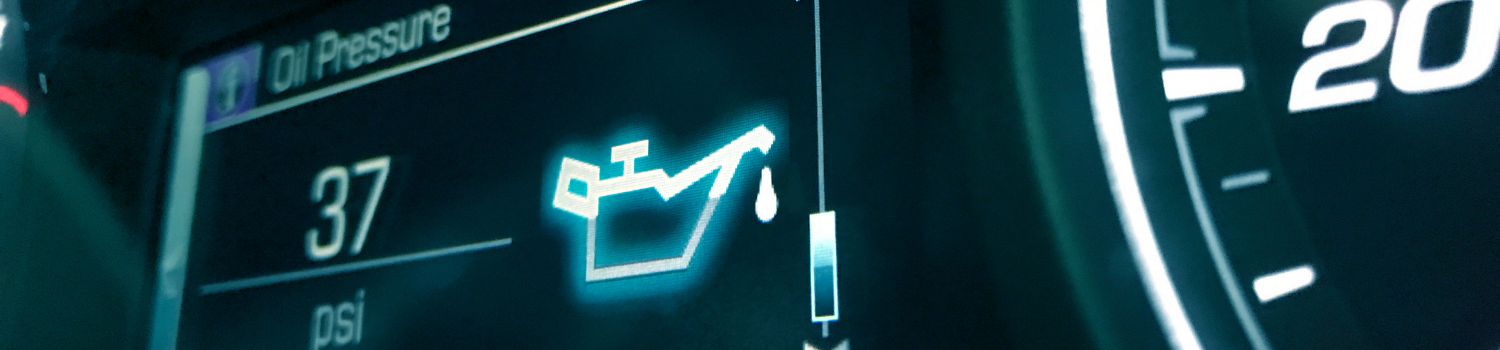
The oil pressure sensor is an important automotive component that senses your oil pressure and oil level, then relays this info to your car’s electronic control module (ECM). Oil pressure sensors go bad and eventually fail. When this happens, the dashboard light can become constantly illuminated. But this isn't something to ignore. It can cause an oil leak. And if you keep driving your vehicle, you’ll cause significant damage to your engine. Let’s take a closer look at the signs and what to do about a bad oil pressure sensor.
1. Engine Oil Pressure Warning Light Stays On
This means you probably have a bad oil pressure sensor. Keep in mind that your engine oil light illuminates for other reasons. For example, it might come on or blink if your oil level is low. Check it with the dipstick and add the appropriate amount of oil. You can also get an oil change if you notice that the oil in your car is brown and dirty. If the oil pressure light comes back on after you do this, you should check the dipstick again. If the oil in your engine is low, you probably have a leak.
2. Erratic Oil Pressure Light Behavior
This is another potential sign of a bad oil pressure sensor. If you see this light flickering or staying lit for a few minutes at a time, you probably need a new oil pressure sensor.
What does erratic behavior mean exactly? It means the oil pressure light is flickering. It could also stay lit for a few minutes before turning off automatically.
Keep an eye on your vehicle's oil pressure light while driving. If you notice erratic behavior, you may want to replace the oil pressure sensor. It's an inexpensive part that's relatively easy to replace.
3. Oil Leak
A bad oil pressure sensor can cause your vehicle to leak oil. This happens because your oil pressure sensor connects to oil-sending units. When this goes bad, the unit starts to leak oil out of the pan. If your vehicle's oil pan has a leak, you should fix or replace it as soon as possible.
How to Replace an Oil Pressure Sensor
Keep in mind that these are general directions to help you replace your oil sensor. Every vehicle is different, so it’s always best to consult a repair manual before taking on this auto repair job. That said, here are the basic steps to replace an oil pressure sensor:
- Put on safety glasses.
- Disconnect the negative battery cable.
- Safely raise the vehicle with a jack.
- Insert jack stands for added safety.
- Set the vehicle’s parking brake.
- Properly insert wheel chocks behind the rear wheels.
- Disconnect the oil pressure sensor’s electrical connector.
- Use the appropriate ratchet and socket to loosen the sensor.
- Remove the oil pressure sensor.
- Coat the threads of the new oil pressure sensor with a sealant if the sealant is not pre-applied.
- Install the new oil pressure sensor.
- Tighten to the manufacturer’s specification using a torque wrench.
- Reconnect the sensor’s electrical connector.
- Safely remove the jack stands.
- Lower the vehicle using the jack.
- Reconnect the negative battery cable.
Oil Pressure Sensor Replacement Tools
You’ll need more than a few to do the job. JB Tools can help if you don’t have everything you need. Search our inventory to find these tools:
Shop JB Tools and get the best prices on the auto repair tools you need.
FAQ: Oil Pressure Sensor Replacement
How do I know if my oil pressure sensor is bad?
Common signs of a bad oil pressure sensor include an oil pressure warning light that stays on, a warning light that flickers or turns on and off, or an oil leak near the sensor. However, the oil pressure light can also come on because of low oil, dirty oil, or an actual oil pressure problem, so it’s important to check the oil level first.
Can I drive with a bad oil pressure sensor?
You should avoid driving for long if the oil pressure warning light is on. A faulty sensor may give a false warning, but the light could also mean your engine has low oil pressure. Driving with low oil pressure can lead to serious engine damage, so inspect the oil level and diagnose the issue as soon as possible.
Will a bad oil pressure sensor cause an oil leak?
Yes, it can. Because the oil pressure sensor connects to the engine’s oil system, a damaged or worn sensor may allow oil to leak around the sensor or the sending unit. If you notice oil near the sensor or oil pan, fix the leak quickly to prevent low oil levels and possible engine damage.
Can I replace an oil pressure sensor myself?
Many oil pressure sensors can be replaced at home with basic automotive tools, but access can vary by vehicle. You may need a jack, jack stands, wheel chocks, a ratchet, a socket set, and a torque wrench. Always disconnect the battery, support the vehicle safely, and follow the manufacturer’s repair instructions.
What should I check before replacing the oil pressure sensor?
Before replacing the sensor, check the engine oil level with the dipstick, inspect the oil condition, and look for visible leaks. If the oil is low or dirty, address that first. If the warning light returns after checking the oil, the sensor or oil pressure system may need further inspection.
What tools do I need to replace an oil pressure sensor?
Common tools include safety glasses, a floor jack, jack stands, wheel chocks, a ratchet, a socket set, and a torque wrench. Some vehicles may require a special oil pressure sensor socket depending on the sensor’s location and design.