


5 Reasons Your Vehicle's Oil Pressure is Low
31st Jul 2018
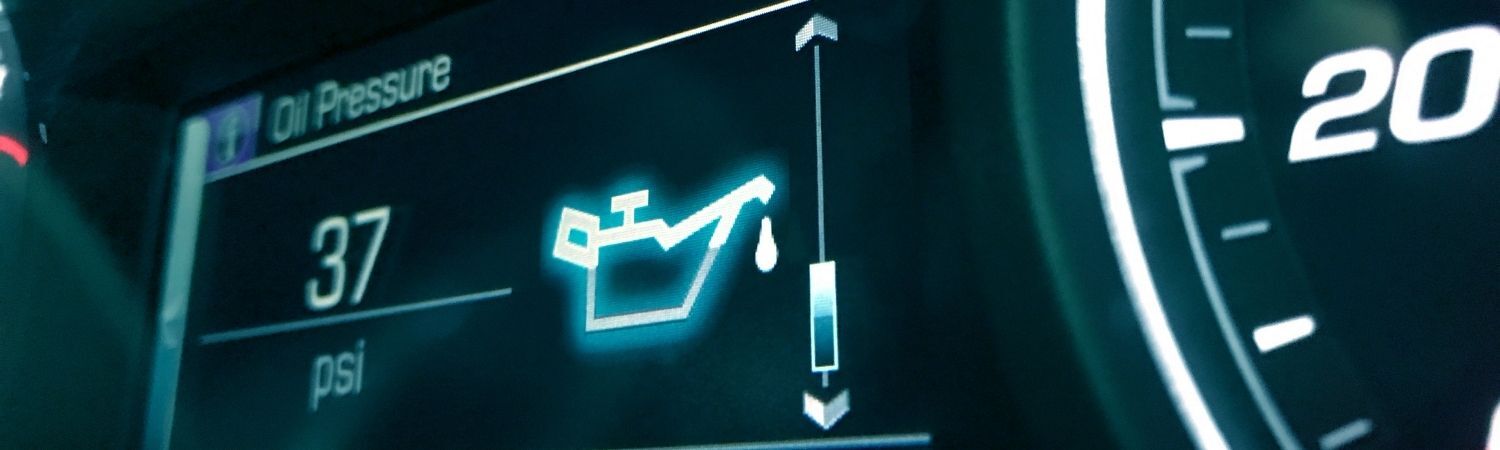
When your car’s engine oil pressure is low, you could have big problems. It’s best to find a low-oil-pressure fix right away!
Oil is the lifeblood of your vehicle because it lubricates all the parts of the engine. The oil needs pressure to do that. When the oil pressure is low, the fluid doesn’t get properly pumped through the engine. This increases friction between the parts and affects engine performance. Once your car’s oil light starts flashing, you have about two weeks or 500 miles before the engine gets damaged.
Five Common Things that Cause Low Oil Pressure
1. Failing Oil Pump
This is one of the most common causes of low oil pressure. All cars, trucks, and SUVs have an oil pump under the hood. This device pushes oil from the bottom of the pan into the engine. If the oil pump fails, this won't occur, resulting in low oil pressure.
2. Bad Rod Bearings
The rod bearings of engines can degrade over time. This creates additional clearance that reduces oil pressure. Clearances between the rod bearings and crankshaft of just .001” can cause a 15% to 20% loss of oil pressure.
3. Wrong Oil
If you recently changed your car's oil, perhaps you used the wrong type. There are synthetic oils, conventional oils, and hybrid oils for different vehicles. For example, you could put a high-viscosity synthetic oil into a car that needs low-viscosity conventional oil. This causes your car to suffer from low oil pressure. Always refer to your owner’s manual to learn what type of oil is best for your car.
4. Clogged Oil Filter
As the pump pulls oil from the pan, it forces the fluid through a filter before sending it to the engine. If that filter is dirty and clogged with debris, the oil can stay stuck in the pan. (This is common in high-mileage vehicles when the oil filter isn't charged regularly.) Replacing the oil filter is a quick and easy job that most people can do themselves. All you need is a new oil filter and the know-how to install it. Oh, and an oil filter wrench.
5. Oil Leak
An oil leak can cause low oil pressure in your car. Depending on the specific type of car you drive, it can hold anywhere from five to eight quarts of oil. You can pull the dipstick to see if it's low on oil. If the dipstick shows below normal oil levels, it may indicate a leak. This is the easiest temporary fix of all. Just add enough oil to reach the desired level. Ultimately, you’ll need to find and fix that leak or any new oil you add will seep out.
So, How Do You Fix Low Oil Pressure?
That all depends on what’s causing it. For a small oil leak, try an oil leak fix in our inventory. Replacing a failing oil pump is a bigger job. For that, you’ll need an oil drain pan, funnel, and other automotive repair tools. Whatever you need, you’ll find in our huge inventory. And when you shop JB Tools, you’ll get the best prices on everything you need for your low-oil-pressure fix.
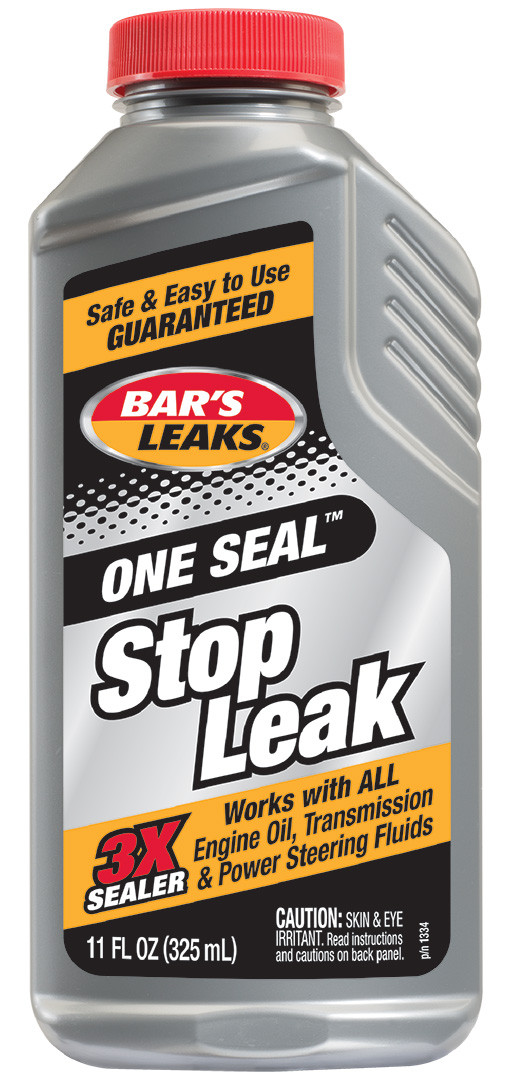
Shop Now: Bar’s Leaks One Seal Stop Leak
YOU CAN'T DO THE JOB WITHOUT J.B. TOOLS
We know so much about these oil pressure chemicals and additives because we carry these products. Whether you’re a pro or not, these specialty oil products are good to have around. We stock our inventory with all of the top-name brands including Lucas Oil, Bar's Leaks, and FJC. Search our inventory to find the specialty product you need.
JB Tools offers the best prices on the best power tools. All orders usually ship within 24 hours. Free shipping for orders over $99, and all other orders ship for $7.99 or less within the continental US.
FAQs
Can I drive my car with low oil pressure?
Driving with low oil pressure is not recommended. Insufficient oil pressure can prevent engine components from receiving proper lubrication, leading to increased wear, overheating, and potentially severe engine damage.
What does the oil pressure warning light mean?
The oil pressure warning light indicates that your engine may not be receiving adequate oil pressure. This can be caused by low oil levels, a failing oil pump, worn engine components, or a clogged oil passage. The issue should be investigated as soon as possible.
Can low oil pressure cause engine noise?
Yes. Low oil pressure can reduce lubrication to critical engine components, causing knocking, ticking, tapping, or other unusual noises. These sounds may indicate accelerated wear inside the engine.
How often should I change my oil filter?
Most manufacturers recommend replacing the oil filter during every oil change. A clean filter helps maintain proper oil flow and can reduce the risk of pressure-related issues.
Can cold weather affect oil pressure?
Cold temperatures can temporarily increase oil viscosity, making it thicker and more difficult to circulate immediately after startup. In most cases, oil pressure should normalize as the engine warms up.
What is considered normal oil pressure?
Normal oil pressure varies by vehicle, engine design, and operating conditions. Many engines operate between 25 and 65 PSI when fully warmed up, but it's best to consult your owner's manual or service specifications for the correct range.