


How to Remove a Rounded Bolt
Posted by Amanda M. on 5th Jun 2026

A rounded bolt can turn a simple repair into a frustrating afternoon. One minute you are removing a bracket; the next, your socket spins uselessly over a bolt head that no longer has clean edges. Rounded bolts are common in automotive repair, especially when fasteners are rusty, over-torqued, made from soft metal, or previously attacked with the wrong tool.
The good news is that a rounded bolt is not the end of the job. With the right approach and the right tools, you can usually remove it without damaging nearby parts. The key is to slow down, use tools that grip instead of slip, and work from the least aggressive method to the most aggressive. This guide explains how to remove a rounded bolt safely and effectively, plus which tools from JBTools.com can help you get the job done.
Why Bolts Get Rounded
A bolt becomes rounded when the corners of the head are worn away. Once those corners are gone, a standard wrench or socket cannot get enough grip to turn the fastener. This usually happens for one of several reasons.
Using a 12-point socket on a stubborn bolt is a common cause. A 12-point socket is convenient in tight spaces, but it has less contact area than a 6-point socket. If the bolt is rusty or stuck, the socket may slip and chew up the corners. The same thing can happen when an adjustable wrench is not tightened properly or when a metric tool is used on an SAE bolt, or vice versa.
Corrosion is another major factor. Rust can lock threads in place, forcing you to apply more torque. When the bolt does not move, the tool becomes the weakest link and starts rounding the head. Heat cycles, road salt, dirt, and old threadlocker can make the problem worse.
Before you reach for the grinder or drill, take a step back. A controlled process will save time and reduce the chance of broken bolts, damaged threads, or scraped knuckles.
Step 1: Clean the Bolt Head
Start by cleaning the fastener. Use a wire brush, pick, or shop rag to remove rust flakes, mud, grease, and paint from the bolt head. Dirt can prevent a socket from seating all the way down, which increases the chance of more slipping.
If the bolt is on a vehicle, make sure the surrounding area is stable and safe to work around. Use jack stands when needed, disconnect power if you are working around electrical components, and wear eye protection. Rust, metal chips, and penetrant spray can all end up where you do not want them.
This is also a good time to inspect the bolt. Is the head only slightly rounded, or is it almost circular? Is there enough room for a socket? Can locking pliers reach it? Is the bolt threaded into aluminum, steel, or a welded nut? The answers will help you choose the right removal method.
Step 2: Apply Penetrating Oil
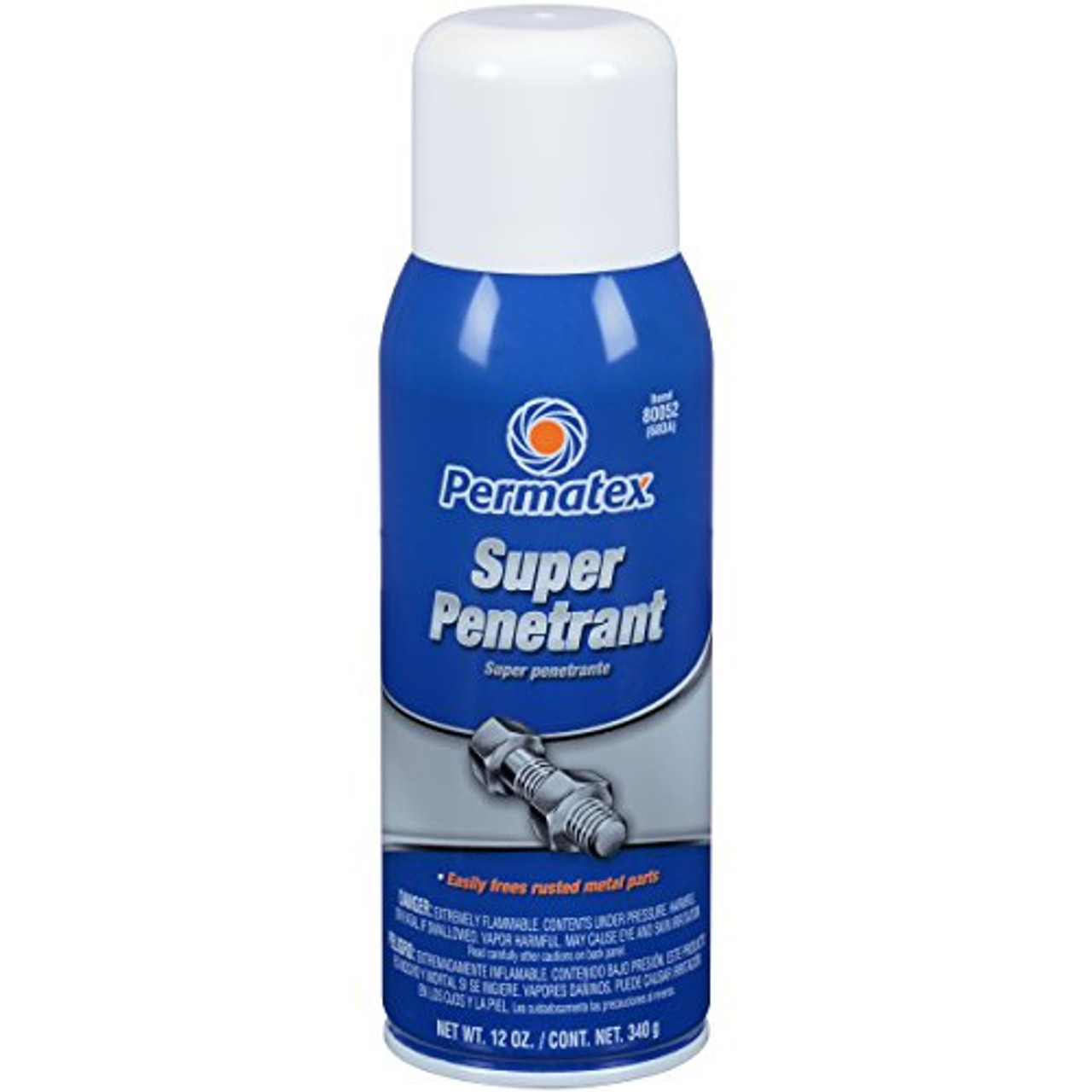
If rust or corrosion is part of the problem, penetrating oil should be your first move. A product like Permatex Fast Break Super Penetrant is designed to penetrate and loosen rust, grease, dirt, tar, carbon deposits, and corrosion from metal parts. It is useful for frozen nuts, bolts, and fittings, which makes it a smart choice before applying serious force.
Spray the penetrant around the bolt head and where the threads enter the part. Let it sit. A few minutes can help, but badly rusted bolts may need repeated applications over a longer period. Lightly tapping the bolt head with a hammer can also help vibration carry the penetrant deeper into the threads.
Avoid spraying penetrant near open flames or hot exhaust parts. Many aerosols are flammable, so read the product label and use proper ventilation.
Shop Now: Permatex Fast Break Super Penetrant
Step 3: Try a Better-Gripping Socket

If the bolt is not completely destroyed, try a high-quality 6-point socket that fits tightly. Tap it onto the bolt with light hammer blows if necessary. A snug fit is important because any movement between the socket and bolt head can make the rounding worse.
This is where controlled impact can help. The Titan Tools Hi-Viz Orange 16 oz. Ball Pein Hammer is useful for general striking tasks and controlled blows. Its bright handle makes it easier to find in a busy garage or shop, and a 16 oz. hammer is a practical size for tapping a socket into place without going overboard.
Do not swing wildly. The goal is to seat the tool, shock the corrosion, and improve contact. Too much force can damage surrounding parts or break the bolt head off.
Shop Now: Titan Tools Hi-Viz Orange 16 oz. Ball Pein Hammer
Step 4: Use a Breaker Bar for Steady Leverage

Once you have the best possible grip, use steady leverage. A breaker bar gives you more torque than a standard ratchet, and it applies that torque more smoothly. The Titan Tools Breaker Bar has a 1/2-inch drive, a 30-inch length, and a 180-degree swiveling head. That combination helps with stubborn fasteners and awkward angles.
Use slow, controlled pressure. Do not bounce on the breaker bar unless you are prepared for the bolt to snap. If the fastener starts to move, tighten it slightly, then loosen it again. Working it back and forth can help clear rust from the threads.
If the socket slips again, stop. Continuing with a loose-fitting socket will only make the bolt harder to remove.
Shop Now: Titan Tools Breaker Bar
Step 5: Use a Twist Socket Extractor

When the bolt head is already rounded, a twist socket extractor is often the best solution. These sockets are designed to bite into damaged fasteners as you turn them counterclockwise. Instead of relying on clean corners, they use spiral-cut teeth to dig into the rounded head.
The Lock Technology 3/8-Inch Drive 13-Piece Deep Well Twist Socket Set is made for damaged, rounded, or stripped nuts, studs, and bolts. Its deep-well design helps reach recessed fasteners, while the set includes both metric and SAE sizes. It also includes a knockout pin and an impact drill adapter, which makes it more versatile for tough jobs.
To use a twist socket, choose the size that fits tightly over the damaged bolt. In some cases, that means selecting a socket slightly smaller than the original bolt size. Tap the socket onto the bolt head with a hammer until it is fully seated. Attach your ratchet, breaker bar, or approved impact tool, then turn slowly and firmly. Once the bolt is out, use the knockout pin to remove the fastener from the socket.
Twist sockets are especially helpful because they can remove the bolt without cutting, drilling, or welding. That makes them a cleaner option when nearby parts are expensive or difficult to replace.
Shop Now: Lock Technology 3/8-Inch Drive 13-Piece Deep Well Twist Socket Set
Step 6: Try Locking Pliers When the Head Is Exposed

If the bolt head is easy to access, curved jaw locking pliers can sometimes grip what sockets cannot. The curved jaw shape is especially useful on rounded bolts because it wraps around the damaged head and helps the teeth bite into the metal. Clamp the pliers as tightly as possible around the bolt head, rock them slightly to confirm they are locked in place, then turn slowly and steadily.
The A&E Tools Locking Pliers, Curved Jaw 12" are a strong choice for this step. Their 12-inch length provides added leverage and control, while the curved jaws are designed to grip both round and flat materials. Fine jaw serrations improve holding power, and the chrome vanadium steel construction helps provide durability for automotive, fabrication, and general repair work. They also include a built-in polished wire cutter, which adds versatility in the shop.
Locking pliers are most effective when the bolt head is exposed enough for the jaws to grab firmly. If the bolt is recessed, a twist socket extractor is usually the better option.
Shop Now: A&E Tools Locking Pliers, Curved Jaw 12"
Step 7: Add Heat Carefully
Heat can expand the metal around a bolt and help break corrosion loose. This is common in exhaust, suspension, and farm equipment repairs. However, heat must be used carefully. Do not use a torch near fuel lines, brake hoses, wiring, plastic, rubber bushings, aerosol penetrants, or painted surfaces you want to protect.
If you use heat, warm the surrounding metal rather than focusing only on the bolt head. After heating, try the extractor socket or properly fitted socket again. Keep a fire extinguisher nearby and avoid inhaling fumes from burning coatings or chemicals.
Step 8: Cut a Slot or Drill as a Last Resort
If the bolt still will not move, you may need more aggressive methods. A rotary tool or angle grinder can cut a slot into the bolt head so you can use a large flathead bit or impact driver. This works best on bolts with wide heads and good access.
Drilling is another option, especially when the bolt head is completely destroyed or broken off. Start with a center punch to keep the drill bit from walking. Left-hand drill bits are useful because they sometimes grab and spin the bolt out while drilling. If that fails, a screw extractor may work, but use caution. Hardened extractors can snap inside the bolt, creating an even harder repair.
In professional settings, welding a nut onto the damaged bolt head is another effective technique. The weld gives you a fresh hex shape to turn, and the heat from welding can help loosen the threads. This method requires proper welding equipment and experience.
What Not to Do
Do not keep using a socket that is slipping. Every slip removes more metal and reduces your options. Do not use excessive force too early, especially on small bolts or bolts threaded into aluminum. A broken bolt can be much harder to repair than a rounded one.
Do not ignore safety. Penetrating oil, heat, hammers, and high-torque tools all require caution. Wear eye protection, use gloves when appropriate, and make sure the workpiece is secure.
Best Tool Combination for Removing a Rounded Bolt
For most rounded bolt jobs, a practical setup includes penetrating oil, a hammer, a breaker bar, and a twist socket set. JBTools.com carries options that fit each stage of the process.
Use Permatex Fast Break Super Penetrant to attack rust and corrosion. Use the Titan Tools 16 oz. Ball Pein Hammer to tap sockets into place and shock the fastener. Use the Titan Tools 30-Inch Breaker Bar for controlled leverage. When a regular socket no longer works, use the Lock Technology 13-Piece Deep Well Twist Socket Set to bite into the damaged bolt. If the bolt head is exposed, the A&E Tools 12" Curved Jaw Locking Pliers can clamp onto the rounded head and provide strong gripping power for turning.
A rounded bolt is annoying, but it is usually manageable. Work patiently, improve your grip before increasing force, and choose tools designed for damaged fasteners. With the right technique and the right tools from JBTools.com, you can turn a stuck repair back into a finished job.
FAQ: How to Remove a Rounded Bolt
1. What is the best tool to remove a rounded bolt?
The best tool for most rounded bolts is a twist socket extractor. Twist sockets have spiral-cut teeth that bite into damaged bolt heads, giving you grip when a normal socket slips. A set like the Lock Technology 3/8-Inch Drive 13-Piece Deep Well Twist Socket Set is designed specifically for rounded, stripped, or damaged fasteners.
2. Can penetrating oil really help remove a rounded bolt?
Yes. Penetrating oil can loosen rust, corrosion, grease, dirt, and other buildup that may be locking the threads in place. Products like Permatex Fast Break Super Penetrant are especially helpful on frozen nuts, bolts, and fittings. For best results, apply it before using heavy force and give it time to work.
3. Should I use a breaker bar or an impact wrench on a rounded bolt?
A breaker bar is often the better first choice because it gives you controlled leverage. An impact wrench can help in some cases, but it can also make the damage worse if the socket is slipping. Pair a breaker bar with a properly seated extractor socket for a safer, more controlled approach.
4. How do I remove a rounded bolt in a tight space?
Locking pliers can work well when the rounded bolt head is exposed. Curved jaw locking pliers are usually the best style because the jaws wrap around the damaged head and provide more contact than straight jaws. The A&E Tools Locking Pliers, Curved Jaw 12" offer added leverage, fine jaw serrations, and a large clamping range for round and flat materials.
5. Can I remove a rounded bolt without drilling?
Yes. In many cases, you can remove a rounded bolt without drilling by using penetrating oil, tapping on a tight socket, applying steady leverage with a breaker bar, or using a twist socket extractor. Drilling should usually be saved for situations where the bolt head is too damaged for any gripping tool to work.
6. What should I do after removing a rounded bolt?
Replace it with a new fastener of the correct size, thread pitch, grade, and material. Inspect the threads in the hole or nut before installing the replacement. If the threads are rusty or damaged, clean or repair them first. Using the correct socket size and proper torque during reassembly will help prevent the same problem next time.