



What Filters Are in Your Car? A Complete Guide to Automotive Filters
Posted by Amanda M. on 10th Apr 2026

When it comes to vehicle maintenance, understanding the different types of car filters is essential for keeping your engine running smoothly and efficiently. Filters may seem like small components, but they play a major role in protecting your vehicle from harmful contaminants and ensuring optimal performance.
From engine oil to the air you breathe inside your cabin, automotive filters work behind the scenes every time you drive. In this complete guide, we will cover the most important car filters, how they function, when to replace them, and how JB Tools makes maintenance easier for DIYers and professionals alike.
Why Are Car Filters Important?
Car filters are designed to trap dirt, debris, dust, and other contaminants before they can enter sensitive systems in your vehicle. Without proper filtration, these particles can cause premature wear, reduced efficiency, and even long term damage.
Routine filter maintenance provides several key benefits:
- Improved engine performance and responsiveness
- Better fuel efficiency and reduced emissions
- Longer engine and component lifespan
- Cleaner air inside your vehicle cabin
- Reduced risk of costly repairs
Neglecting your filters can lead to clogged systems, restricted airflow, and poor overall vehicle performance. Staying on top of filter changes is one of the easiest and most cost effective ways to protect your investment.
1. Oil Filter: Protecting Your Engine from Within
The oil filter is one of the most critical filters in your vehicle. Its job is to remove contaminants such as metal particles, dirt, and carbon deposits from engine oil. Clean oil is essential for lubricating engine components, reducing friction, and preventing overheating.
Over time, the oil filter becomes saturated with debris and loses its ability to effectively clean the oil. When this happens, dirty oil can circulate through the engine, increasing wear and reducing performance.
Why Oil Filter Maintenance Matters
A neglected oil filter can lead to:
- Reduced oil flow
- Increased engine wear
- Overheating
- Potential engine failure
Replacing your oil filter during every oil change is a simple way to maintain engine health.
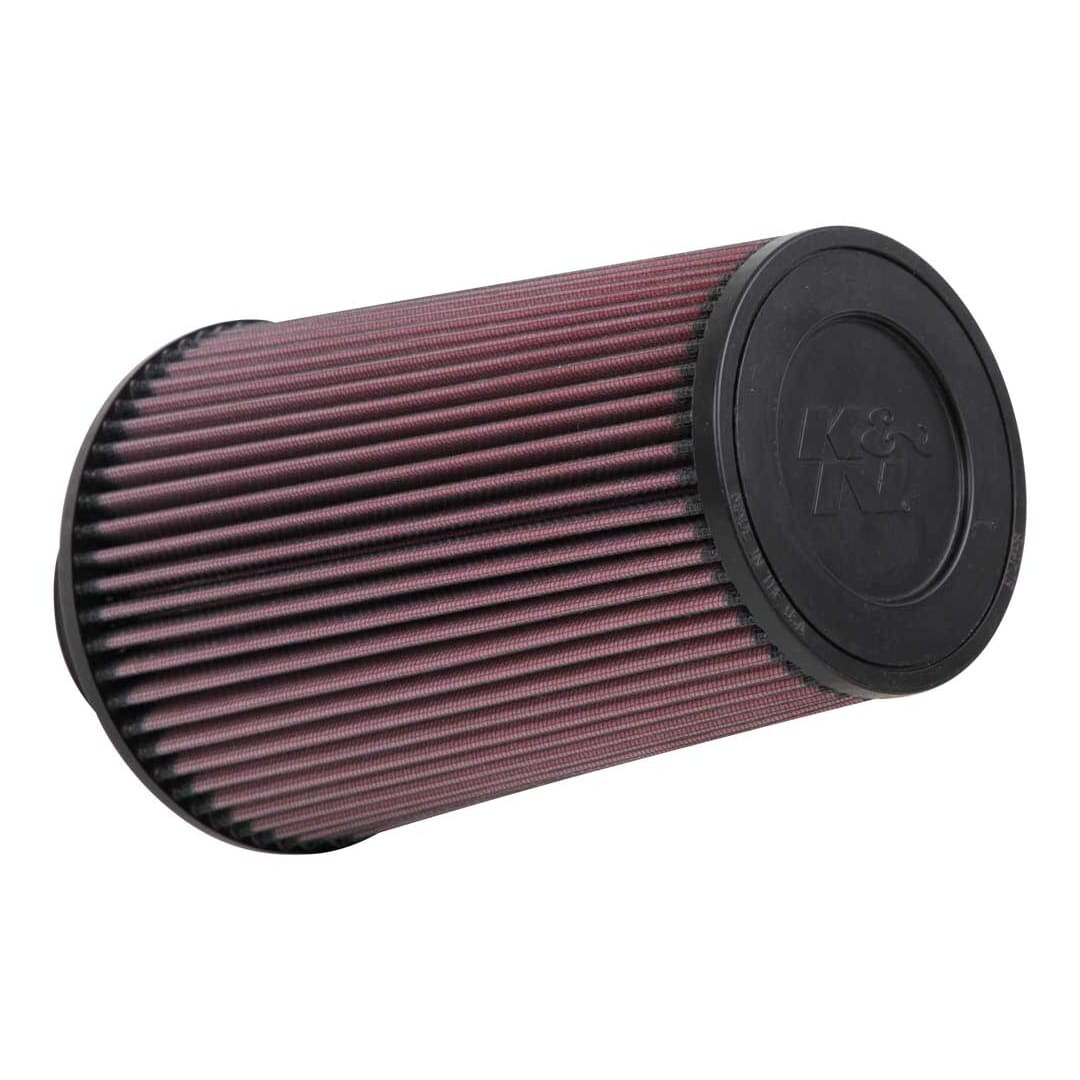
Upgrade Your Oil Filter
Many drivers choose K&N Filters for their high quality construction and improved oil flow. These filters are built to handle demanding conditions and are a great option for both daily drivers and performance vehicles.
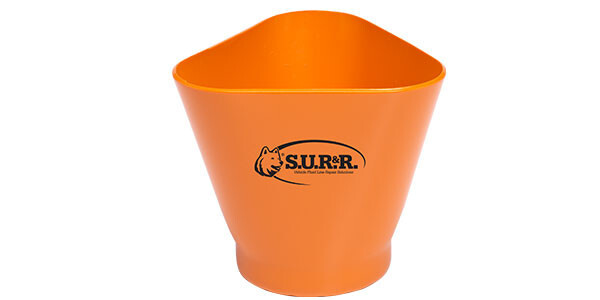
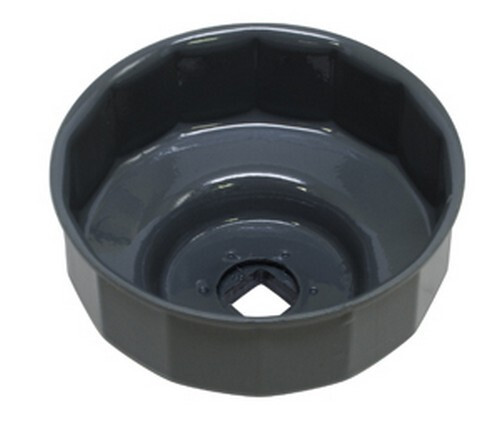
Tools for Easier Oil Changes
Oil filter removal can sometimes be messy or difficult, especially if the filter is tight or located in a hard to reach area. Using the right tools can make a big difference:
- The S.U.R.&R. FC5 Oil/Gas Filter Removal Cup is designed to catch excess oil during removal, helping reduce spills and keeping your workspace clean.
- The Lisle 61560 74–76mm 15-Flute Oil Filter Cup Wrench provides a secure and precise fit, making it easier to remove stubborn filters with a ratchet.
To complete the job, a dependable oil drain pan like the K-Tool 4-1/4 Gallon Oil Drain Pan allows you to safely collect and dispose of used oil without creating a mess.
2. Engine Air Filter: Supporting Combustion Efficiency
Your engine air filter plays a key role in the combustion process by ensuring that clean air enters the engine. Air is mixed with fuel to create combustion, and any contaminants in that air can negatively impact performance.
A clogged or dirty air filter restricts airflow, which can lead to:
- Reduced acceleration
- Poor fuel economy
- Increased engine strain
When to Replace Your Air Filter
Most manufacturers recommend replacing the engine air filter every 12,000 to 15,000 miles, but this can vary depending on driving conditions. If you frequently drive in dusty or dirty environments, you may need to replace it more often.
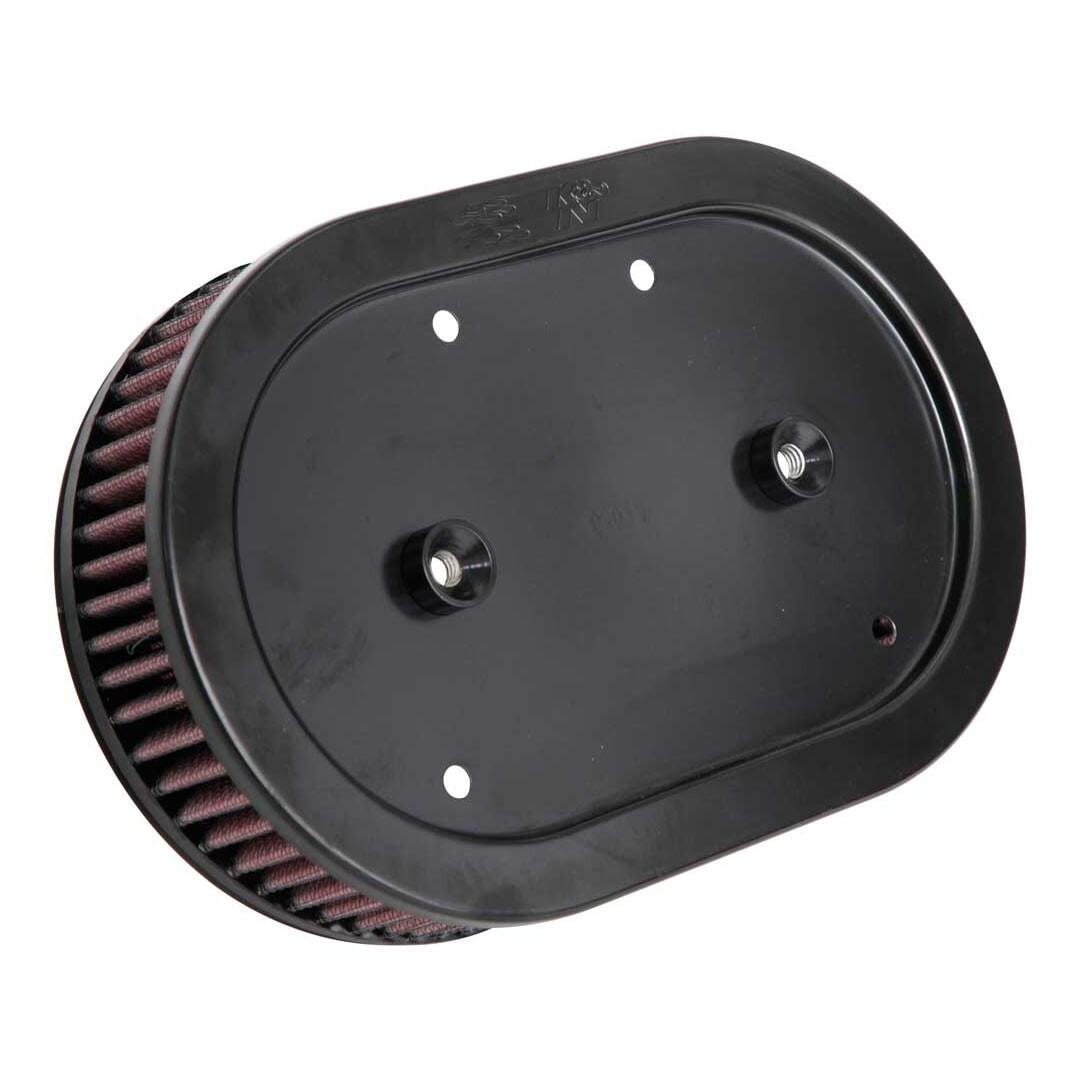
Performance Filter Options
Reusable air filters, such as those offered by K&N, are a popular upgrade. These filters are designed for increased airflow and can be cleaned and reused, making them a cost effective long term solution.
3. Cabin Air Filter: Cleaner Air for a Better Driving Experience
The cabin air filter is responsible for cleaning the air that enters your vehicle’s interior through the heating and air conditioning system. It traps dust, pollen, mold spores, and other airborne particles.
While it does not affect engine performance, the cabin air filter has a direct impact on comfort and air quality inside your vehicle.
Signs Your Cabin Air Filter Needs Replacement
- Musty or unpleasant odors
- Reduced airflow from vents
- Increased dust inside the cabin
- Allergy symptoms while driving
Most cabin air filters should be replaced every 15,000 to 30,000 miles, depending on usage and environmental conditions.
4. Fuel Filter: Ensuring Clean Fuel Delivery
The fuel filter removes impurities from gasoline before it reaches the engine. Clean fuel is essential for maintaining proper combustion and protecting fuel system components such as injectors.
A clogged fuel filter can cause several performance issues, including:
- Engine hesitation or misfires
- Difficulty starting the vehicle
- Reduced power and acceleration
Fuel Filter Maintenance Tips
Fuel filter replacement intervals vary widely depending on the vehicle. Some newer vehicles have lifetime filters built into the fuel system, while others require periodic replacement.
Checking your owner’s manual is the best way to determine when your fuel filter should be serviced.
5. Transmission Filter: Protecting Your Transmission System
Not all vehicles have a serviceable transmission filter, but for those that do, it plays an important role in keeping transmission fluid clean.
The transmission filter removes debris and contaminants from the fluid, helping ensure smooth shifting and proper operation.
Why It Matters
Dirty transmission fluid can lead to:
- Slipping gears
- Rough shifting
- Increased wear on internal components
If your vehicle has a replaceable transmission filter, it is typically serviced along with a transmission fluid change.
6. Breather and PCV Filters: Managing Engine Pressure
Some vehicles also include breather filters or Positive Crankcase Ventilation (PCV) filters. These components help regulate pressure inside the engine and reduce harmful emissions.
While often overlooked, maintaining these filters can contribute to better engine efficiency and reduced buildup of harmful gases.
Best Practices for Car Filter Maintenance
Maintaining your vehicle’s filters does not have to be complicated. Following a few simple best practices can help ensure long term reliability:
- Always follow manufacturer recommended service intervals
- Inspect filters regularly for dirt and damage
- Replace filters sooner if driving in harsh conditions
- Use high quality replacement parts
- Keep the right tools on hand for efficient maintenance
Having proper tools such as oil filter wrenches, removal cups, and oil drain pans can make DIY maintenance safer, faster, and cleaner.
Why DIY Filter Maintenance Makes Sense
Handling basic maintenance tasks like filter replacement yourself can save time and money. It also gives you a better understanding of your vehicle’s condition.
With the right tools and products, even beginners can perform routine filter changes with confidence.
JB Tools offers a wide selection of automotive filters and maintenance tools, making it easy to find everything you need in one place.
Final Thoughts
Car filters are essential components that protect your engine, improve performance, and enhance your driving experience. From the oil filter that keeps your engine lubricated to the cabin air filter that keeps your air clean, each filter serves an important purpose.
By staying proactive with maintenance and using quality products like K&N Filters, along with reliable tools such as oil filter removal cups, cup wrenches, and oil drain pans, you can extend the life of your vehicle and keep it running at its best.
Whether you are a DIY enthusiast or a professional technician, understanding your vehicle’s filters is a key step toward smarter, more effective maintenance.