



Why Your Car's AC Is Blowing Warm Air (and How to Fix It)
23rd Jul 2018
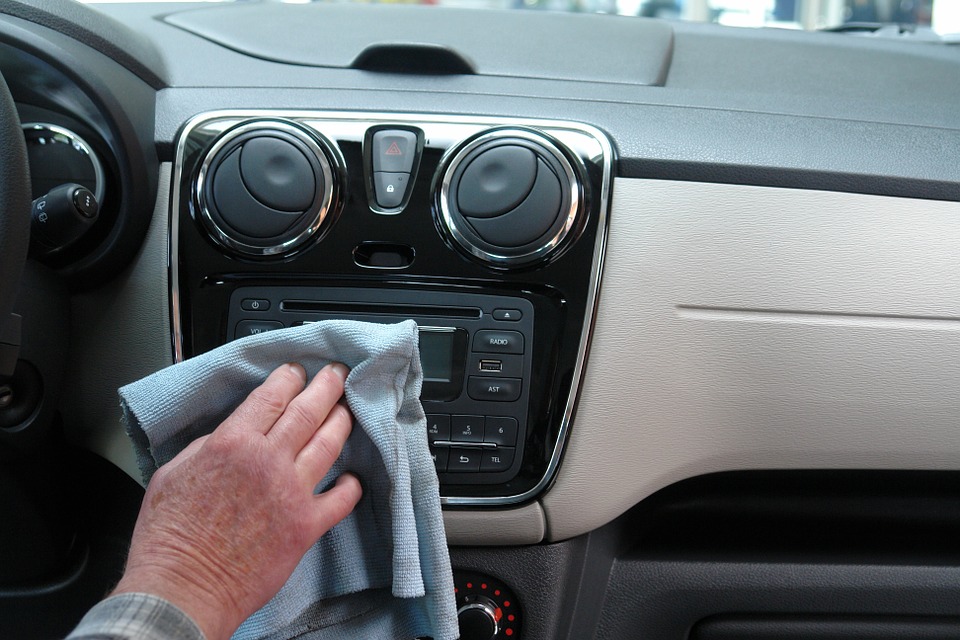
How Car AC Works
With summer upon us, millions of drivers are turning on their car's air conditioner (AC) to stay cool and comfortable. Automotive AC units work just like residential AC units: They use refrigerant to transport heat out of the air, thereby creating cool air that's pumped into your car's cabin. But like all components used in modern-day cars, AC units are susceptible to failure. If your car's AC is blowing warm air, the problem might be attributed to the following.
Clogged Condenser
Typically found at the front of the vehicle -- around the radiator -- the condenser in your car's AC unit is responsible for converting refrigerant gas to liquid form. It contains fins through which the refrigerant flows. As refrigerant flows through the condenser, a fan blows air over it, thereby releasing the heat and turning it to liquid form. If the condenser is clogged, however, it won't perform this conversion. As a result, you may experience warm air blowing from your car's air vents.
Low Refrigerant
Perhaps the most common reason that car AC units blow warm air is low refrigerant levels. Like residential AC units, car AC units contain refrigerant in a closed system that removes heat. Normally, refrigerant levels remain stable, as there's no way for it to escape the closed system. But failure of the condenser or lines may allow refrigerant to leak from the system. When this occurs, your car AC's unit will no longer be able to produce cool air.
Keep in mind that refilling your car's AC unit with refrigerant is only a temporary solution. Unless you find and fix the leak, the new refrigerant will leak back out.
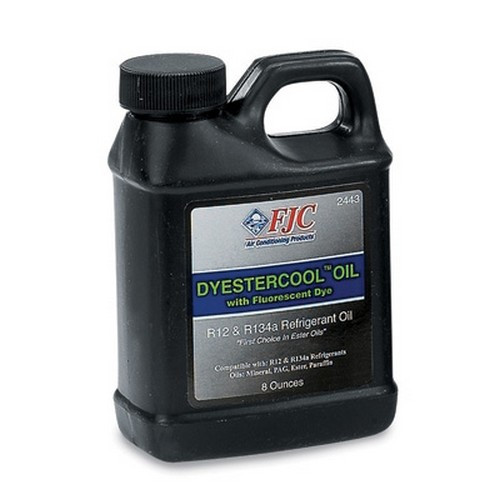
Shop Now: FJC High Performance AC Refrigerant Oil
Faulty Condenser Fan
A condenser works in conjunction with a fan to cool down refrigerant and convert it to liquid form. The actual condenser holds the refrigerant, while the fan blows air across the condenser. If your car's condenser fan is broken or otherwise not functioning properly, you may experience AC problems like warm air. Of course, another tell-tale sign of a faulty condenser fan is overheating when idling. The lack of airflow around the condenser and radiator allows heat to build up inside your car's cooling system, which may cause the engine to overheat when idling.
If you're still unable to fix your car's AC, consider taking it to an automotive mechanic for a professional diagnosis. In the meantime, leave your windows slightly cracked after you park and exit your vehicle so that fresh air will replace the hot, stale air inside your vehicle.
FAQs
How long should it take for a car AC to start blowing cold air?
Most vehicle air conditioning systems should begin producing cool air within 30 seconds to a few minutes after being turned on. If your AC continues to blow warm air after several minutes of driving, there may be an issue with the system that requires inspection.
Why does my car AC blow cold air while driving but warm air when stopped?
This often indicates an airflow problem. The condenser fan may not be operating properly, preventing the system from dissipating heat when the vehicle is stationary. Once the vehicle starts moving, airflow naturally increases and cooling performance may temporarily improve.
Can hot weather affect my car's AC performance?
Yes. Extremely high outdoor temperatures can make your AC system work harder to cool the cabin. While some reduction in cooling efficiency is normal during heat waves, the system should still produce noticeably cold air.
How often should a car air conditioning system be serviced?
Many manufacturers recommend having the AC system inspected every one to two years. Routine inspections can help identify leaks, worn components, and performance issues before they lead to costly repairs.
Can a dirty cabin air filter cause weak AC performance?
Yes. A clogged cabin air filter can restrict airflow through your vehicle's vents, making it feel like the AC isn't cooling properly. Replacing a dirty filter is a simple maintenance task that can improve airflow and cabin comfort.