


Why Is My Car Having Difficulty Starting? Common Causes and Fixes
Posted by Amanda M. on 12th Jun 2026
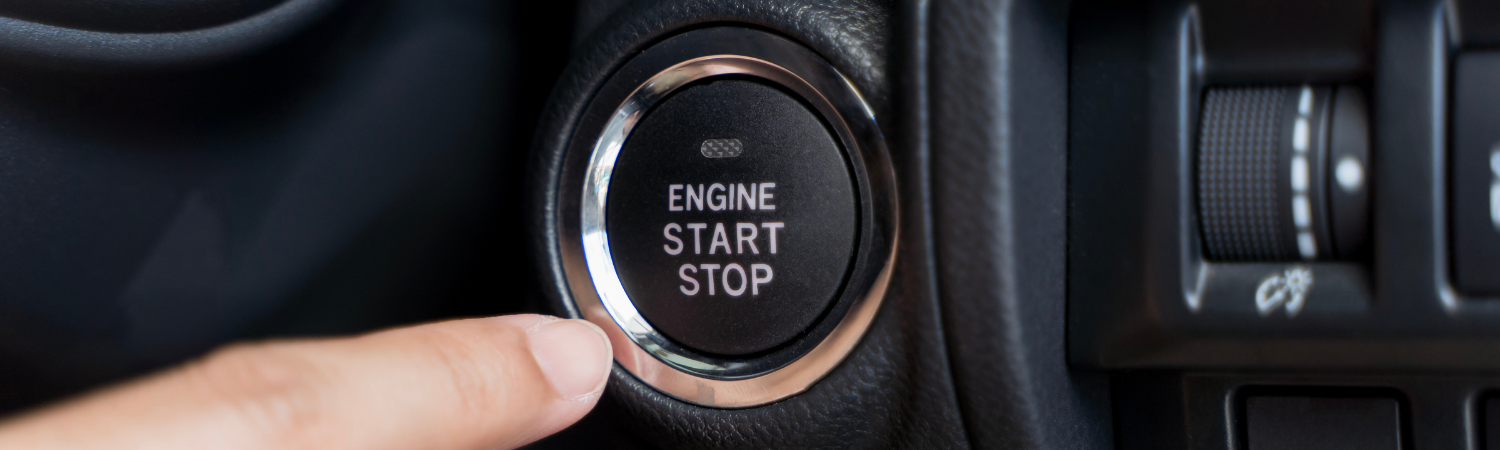
Few car problems are more frustrating than turning the key or pressing the start button and getting a slow crank, a click, or nothing at all. A vehicle that has difficulty starting can make you late for work, strand you in a parking lot, or leave you wondering whether you are dealing with a simple battery issue or a more expensive repair.
The good news is that many starting problems follow predictable patterns. By paying attention to what happens when you try to start the vehicle, you can often narrow down the cause before calling a tow truck or replacing parts at random.
Below are the most common reasons a car has difficulty starting, how to recognize each problem, what tools may be needed, and which fixes are worth trying first.
Tools Needed to Diagnose Starting Problems
Before troubleshooting, gather a few basic automotive tools and safety items. You can find many of these diagnostic and repair tools at JBTools.com.
Common tools include:
- Digital multimeter
- Battery tester or battery load tester
- Battery terminal cleaner or wire brush
- Battery terminal wrench or socket set
- Jumper cables or jump starter
- OBD2 scanner
- Fuse puller or needle nose pliers
- Test light
- Spark plug socket
- Fuel pressure tester
- Basic mechanic’s tool set
- Safety gloves and safety glasses
- Shop towels
- Owner’s manual or repair manual
Always work in a safe, well-ventilated area. Keep hands, tools, clothing, and jewelry away from moving engine parts. If you smell fuel, see damaged wiring, or are unsure about a repair, stop and contact a qualified mechanic.
Shop JBTools.com
1. Weak or Dead Battery
A weak battery is one of the most common reasons a vehicle struggles to start. The battery supplies the electrical power needed to run accessories and energize the starter motor. Even if your lights, radio, or dashboard come on, the battery may not have enough power to crank the engine.
Signs of a weak battery include:
- Slow cranking
- Clicking when turning the key
- Dim interior or dashboard lights
- No response when pressing the start button
- Battery warning light
- Corrosion around the battery terminals
- A battery that is more than three to five years old
A digital multimeter can help you check battery voltage. A fully charged 12-volt battery usually reads around 12.6 volts with the engine off. If the reading is much lower, the battery may need charging or replacement. A battery can also show decent voltage but fail under load, which is why a battery load tester is useful.
Fixes to try:
- Clean corrosion from the battery terminals
- Tighten loose battery cable connections
- Jump-start the vehicle
- Charge the battery
- Replace the battery if it fails a load test
If the car starts after a jump but will not start again later, the battery may be failing, or the charging system may not be keeping it charged.
2. Loose or Corroded Battery Cables
Sometimes the battery itself is fine, but the connection is poor. Corrosion, loose clamps, damaged cables, or worn ground straps can prevent power from reaching the starter.
Battery corrosion often looks like a white, green, or bluish powder around the terminals. It can create resistance in the circuit and cause intermittent starting problems.
Signs of cable or terminal issues include:
- Lights flicker when trying to start
- Vehicle starts sometimes but not always
- Clicking or no sound at all
- Visible corrosion or loose terminals
- Electrical accessories behave strangely
Fixes to try:
- Disconnect the battery safely, starting with the negative cable
- Clean the terminals with a battery terminal cleaner or wire brush
- Inspect cables for cracks, swelling, or fraying
- Tighten all connections securely
- Check the engine ground strap
A clean, tight battery connection is one of the easiest and cheapest starting-system fixes.
3. Faulty Starter Motor or Starter Solenoid
The starter motor turns the engine over when you start the vehicle. The starter solenoid helps send electrical current to the starter. If either part fails, the engine may not crank even if the battery is good.
Common signs of a bad starter include:
- One loud click when turning the key
- Repeated clicking
- No crank with a fully charged battery
- Grinding noise during startup
- Smoke or burning smell near the starter
- Starter works intermittently
A weak battery can mimic a bad starter, so test the battery first. If the battery and cables check out, the starter circuit may need attention.
Fixes may include:
- Checking starter wiring connections
- Testing the starter relay
- Testing voltage at the starter
- Replacing the starter motor
- Replacing the starter solenoid if separate
Starter replacement difficulty varies by vehicle. On some cars, it is easy to reach. On others, it may be tucked behind engine components.
4. Failing Alternator
The alternator charges the battery while the engine runs. If the alternator fails, the battery may slowly drain until the vehicle becomes hard to start or will not start at all.
Signs of alternator trouble include:
- Battery warning light
- Dimming headlights while driving
- Electrical accessories cutting in and out
- Whining or grinding noise from the engine bay
- Vehicle starts after a jump but dies again later
- Battery repeatedly goes dead
Use a multimeter to test charging voltage with the engine running. Many vehicles show around 13.5 to 14.8 volts while charging, although specifications vary. If voltage stays near battery voltage or drops while the engine runs, the alternator or charging circuit may be the problem.
Fixes may include:
- Replacing the alternator
- Inspecting or replacing the serpentine belt
- Checking alternator wiring
- Testing the battery after alternator replacement
Do not assume the battery is bad just because it is dead. A failed alternator can drain a good battery.
5. Bad Ignition Switch or Push-Button Start Issue
The ignition switch sends power to key systems when you turn the key. In push-button vehicles, the start button, brake pedal switch, clutch switch, key fob, or related electronics can also prevent startup.
Signs of ignition switch or start-system issues include:
- Dash lights turn on but engine does not crank
- Starter does not engage
- Vehicle starts only after jiggling the key
- Push-button start does not respond
- “Key not detected” message
- Car starts only in neutral, not park
Fixes to consider:
- Replace the key fob battery
- Try a spare key or fob
- Make sure the shifter is fully in park or neutral
- Check the brake pedal or clutch switch
- Inspect ignition switch wiring
- Replace a faulty ignition switch or start button
Modern starting systems can be complex, so an OBD2 scanner and vehicle-specific service information can help.
Shop: OBD2 Scanner
6. Fuel Delivery Problems
If the engine cranks normally but does not start, the problem may not be electrical. The engine needs fuel, air, spark, and compression to run. A fuel delivery issue can make the engine crank without firing.
Common fuel-related causes include:
- Empty fuel tank
- Weak fuel pump
- Clogged fuel filter
- Bad fuel pump relay
- Faulty fuel injectors
- Contaminated fuel
Signs of fuel delivery problems include:
- Engine cranks but does not start
- Engine starts then stalls
- Whining noise from the fuel tank
- No fuel pump sound when turning the key
- Rough running before the no-start condition
- Long cranking before startup
Fixes may include:
- Adding fuel if the gauge may be inaccurate
- Checking the fuel pump fuse and relay
- Testing fuel pressure
- Replacing the fuel filter if serviceable
- Replacing a failed fuel pump
A fuel pressure tester can help confirm whether fuel is reaching the engine at the correct pressure.
Shop Now: Fuel Pressure Tester
7. Faulty Spark Plugs, Ignition Coils, or Ignition Components
Gasoline engines need spark to ignite the air-fuel mixture. Worn spark plugs, bad ignition coils, damaged plug wires, or ignition module problems can make starting difficult.
Signs of ignition trouble include:
- Engine cranks but does not start
- Rough idle
- Misfires
- Poor fuel economy
- Check engine light
- Hard starting in wet weather
- Engine hesitation
An OBD2 scanner may show misfire codes that point to a specific cylinder. Spark plugs should be inspected and replaced according to the vehicle’s maintenance schedule.
Fixes may include:
- Replacing worn spark plugs
- Replacing faulty ignition coils
- Inspecting spark plug wires if equipped
- Checking ignition fuses and relays
- Diagnosing crankshaft or camshaft position sensors
Bad crankshaft or camshaft sensors can also prevent spark or fuel injection, causing a crank-no-start condition.
8. Blown Fuses or Bad Relays
A small electrical part can stop the entire starting process. If a fuse, fusible link, starter relay, fuel pump relay, or ignition relay fails, power may not reach the component needed to start the engine.
Signs of fuse or relay problems include:
- Sudden no-start condition
- No fuel pump sound
- No starter response
- Some electrical systems work while others do not
- OBD2 scanner cannot communicate with the vehicle
Use the owner’s manual to locate the fuse box and identify starting, ignition, fuel pump, and engine control fuses. Never replace a fuse with one rated for higher amperage. If a new fuse blows immediately, there is an electrical fault that needs diagnosis.
Fixes may include:
- Replacing a blown fuse with the correct rating
- Swapping a suspect relay with a matching known-good relay
- Inspecting wiring for shorts or damage
- Having a technician diagnose repeated fuse failures
9. Security System or Immobilizer Problems
Many vehicles use anti-theft systems that prevent the engine from starting unless the correct key or fob is detected. If the immobilizer does not recognize the key, the engine may crank but not start, or it may not crank at all.
Signs of immobilizer issues include:
- Security light flashing
- “Key not detected” warning
- Engine starts briefly then shuts off
- No crank after using a damaged key
- Starting issue after replacing a key fob battery
Fixes to try:
- Replace the key fob battery
- Try a spare key
- Move the fob closer to the start button
- Check the owner’s manual for emergency start procedures
- Have the key or immobilizer system reprogrammed if needed
10. Cold Weather and Thick Engine Oil
Cold weather makes starting harder because batteries produce less power in low temperatures, and engine oil becomes thicker. This means the starter has to work harder to turn the engine.
Signs cold weather is contributing include:
- Slow cranking on cold mornings
- Car starts normally later in the day
- Battery is older or weak
- Oil has not been changed on schedule
Fixes may include:
- Testing the battery before winter
- Using the correct oil viscosity listed in the owner’s manual
- Keeping battery terminals clean
- Parking indoors when possible
- Using a battery maintainer for vehicles that sit unused
For seasonal maintenance, JBTools.com carries battery testers, jump starters, chargers, hand tools, and other equipment that can help DIYers and professionals prepare vehicles for extreme weather.
Shop: JBTools.com
How to Narrow Down the Problem
Pay close attention to the symptom:
- If the engine cranks slowly, check the battery, terminals, cables, and starter.
- If you hear rapid clicking, suspect a weak battery or poor connection.
- If you hear one loud click, the starter or solenoid may be failing.
- If there is no sound, check the battery, ignition switch, starter relay, neutral safety switch, brake switch, or security system.
- If the engine cranks normally but will not start, check fuel delivery, spark, fuses, relays, sensors, and engine codes.
- If the car starts with a jump but dies later, check the alternator and charging system.
An OBD2 scanner can provide helpful clues, especially if the check engine light is on. However, not every starting problem stores a code. Basic electrical testing is still important.
Shop: OBD2 scanner
When to Call a Mechanic
Some starting problems are simple, but others require advanced diagnosis. Call a professional if:
- The vehicle repeatedly leaves you stranded
- You smell fuel
- Fuses keep blowing
- The starter wiring looks damaged
- The engine cranks unevenly or sounds abnormal
- You suspect timing, compression, or internal engine problems
- You are not comfortable testing electrical circuits
Replacing parts without testing can get expensive. A proper diagnosis helps you fix the right problem the first time.
Final Thoughts
A car that has difficulty starting is inconvenient, but it is often diagnosable with a careful step-by-step approach. Start with the basics: battery condition, clean connections, fuses, and fuel level. Then move on to the starter, alternator, ignition system, fuel system, and sensors.
Having the right tools makes troubleshooting easier and safer. Whether you need a multimeter, OBD2 scanner, jump starter, battery tester, or hand tools, JBTools.com is a helpful source for automotive tools and equipment.
FAQ: Car Having Difficulty Starting
Why does my car click but not start?
Clicking usually points to a weak battery, loose battery cables, corroded terminals, or a starter problem. Rapid clicking often means the battery does not have enough power. One loud click may point toward the starter motor or starter solenoid.
Why does my car crank but not start?
If the engine cranks normally but does not start, the battery and starter are probably doing their job. The issue may involve fuel delivery, spark, ignition coils, spark plugs, blown fuses, relays, sensors, or the security system.
Can a bad alternator cause hard starting?
Yes. A bad alternator may fail to recharge the battery while the engine runs. The car may start after a jump, but the battery can drain again because the charging system is not working properly.
How do I know if my battery or starter is bad?
Test the battery first. If the battery is fully charged and the terminals are clean and tight, but the vehicle still will not crank, the starter, starter relay, solenoid, ignition switch, or wiring may be the issue.
What tools do I need to diagnose a car that will not start?
Useful tools include a digital multimeter, battery tester, OBD2 scanner, jumper cables or jump starter, fuse puller, test light, socket set, and fuel pressure tester. JBTools.com offers many automotive diagnostic tools for DIY and professional use.
Should I replace the battery if my car is hard to start?
Not always. A weak battery is common, but loose cables, corrosion, a bad alternator, a faulty starter, or fuel and ignition problems can cause similar symptoms. Test the battery before replacing it.